
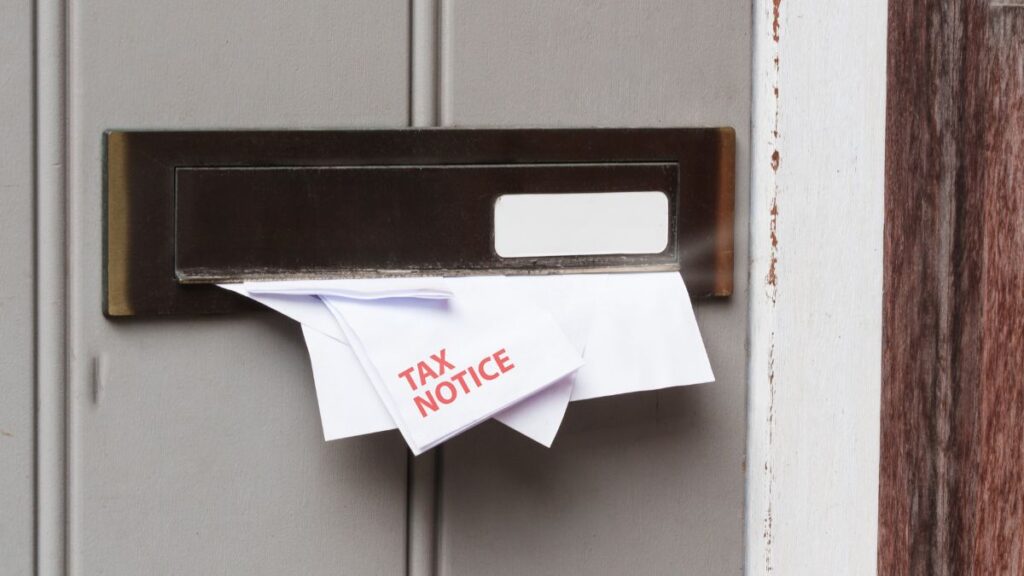


CRA notice letter in the mail with other documents representing post-tax season follow-up

Common CRA Notices Explained: Don’t Panic, Here’s What to Do

Received a CRA notice in the mail? Here’s how to handle it—calmly and clearly.

You filed your taxes, took a breath, and then… a letter from the Canada Revenue Agency shows up in your mailbox or inbox.

Before the stress kicks in, here’s the truth: a CRA notice doesn’t always mean something is wrong. Many are routine. The key is knowing what type of notice you’ve received—and what, if anything, you need to do next.

Let’s break it down.

1. Understand the Type of Notice You Received

There are several kinds of post-filing notices the CRA may send. Here are the most common ones:

● Notice of Assessment (NOA)

This is the most typical notice. It confirms that your return was received and processed. It may show whether you owe money, are getting a refund, or have a zero balance. Review it carefully to make sure it matches what you expected.

● Review Letter (or Pre-Assessment Review)

Sometimes the CRA selects returns for review before finalizing them. This doesn’t mean you’re being audited—it just means they want to double-check specific details (like a deduction or credit).

● Request for Information

You may be asked to submit documents like receipts, invoices, or proof of income. The CRA will specify what they need and give you a deadline.

● Notice of Reassessment

If the CRA adjusts your return after it has been assessed based on new information, you will receive a Notice of Reassessment. This might result in a refund, a balance owing, or no change at all.

2. Read It Carefully (Then Read It Again)

We get it—CRA language can be a bit… dry. But it’s important to understand:

  • What the notice is about
  • Whether it requires action
  • What the deadline is for responding
  • Which tax year it refers to

Highlight or jot down any parts that seem unclear so you can ask for help if needed.

3. Don’t Ignore It—Even If You’re Unsure What It Means

One of the most common mistakes we see? Letting a CRA notice sit unopened or unanswered. Even if it feels confusing or intimidating, responding on time is key. Ignoring it can lead to penalties, interest, or unnecessary stress later on.

small business owners working with an accountant to explain CRA notices

4. Respond Clearly and Completely

If the CRA is asking for documents, make sure your response is:

  • Complete (include everything they requested)
  • Legible (scan or upload clear copies—no crumpled receipts)
  • Timely (submit before the deadline listed)

If you’re not sure how to reply—or if you want someone to review your response before you send it—this is a good time to get professional support.


5. Reach Out If You’re Feeling Stuck

You don’t have to figure this out on your own.

At Numble, we help small business owners interpret CRA notices, respond accurately, and avoid making the situation more complicated. Whether it’s your first letter or your fifth, we’re here to make sure it’s handled smoothly—and with as little stress as possible.

One Letter Doesn’t Have to Derail Your Year

Most CRA notices are routine. Some just need a quick response. And many are easier to deal with than they first appear.

The important thing is knowing you’re not alone—and that support is only a message away.

Got a CRA notice and not sure what to do? Let’s talk it through. We’ll help you take the next step with clarity and confidence.

a small business owner feeling stressed over owing taxes before they called Numble Accounting

Taxes Owed? A No-Judgment Guide to Payment Arrangements

It happens to the best of us: you finish your return and the final number is higher than you expected. At Numble, we provide a no-judgment zone for these exact moments. Whether you need to set up a formal CRA payment arrangement or simply want to understand the difference between filing penalties and interest, there is a calm, manageable path forward. Remember, filing on time is your best defense—and we’re here to help you navigate the rest.


Read More »

The Tax Deadline Checklist: Final Touches for a Smooth Filing

The home stretch of the Canadian tax season is officially here. While the April 30 deadline can feel like a looming cloud, clarity is the best antidote to tax-time anxiety. Our professionals have put together a supportive final-touch checklist—from confirming your T-slips to ensuring you’ve triggered local benefits like the Alberta Carbon Rebate. Take a deep breath; we’re here to help you cross the finish line with confidence.

Read More »
a small business owner spring cleaning their account books

Spring Cleaning Your Books (Without the Stress)

As Q1 comes to a close, it’s the perfect time to open the windows and clear out the financial “cobwebs.” Spring cleaning your books isn’t about deep-scrub chores; it’s a calm pulse check to ensure your bank reconciliations and expense categories are in good shape for the spring. Learn three simple steps to tidy your digital records and gain the clarity you need to lead your business into a successful Q2.

Read More »
Scroll to Top