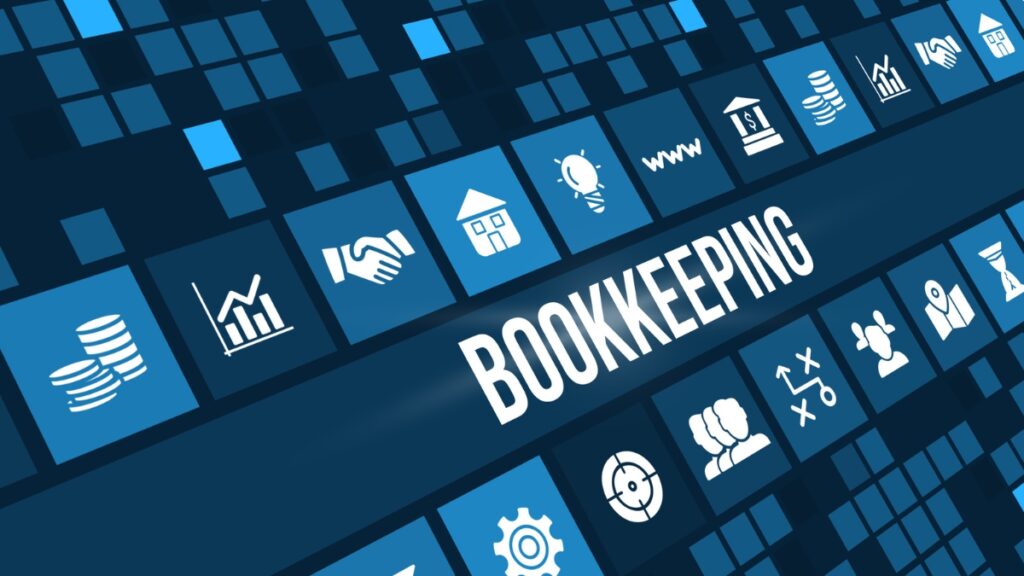

Digital graphic with the word bookkeeping and icons for finance, reports, and money management

Bookkeeper vs Accountant: What’s the Difference, and Which One Does Your Business Need?

When managing your business’s finances, you might wonder: Do I need a bookkeeper or an accountant? While both are crucial in keeping your financials in order, they serve different functions. Understanding the difference can help you make the best decision for your business’s financial health in the question of bookkeeper vs accountant.

What Does a Bookkeeper Do?

A bookkeeper is responsible for tracking a business’s day-to-day financial transactions. Their duties typically include:

  • Recording Transactions – Tracking all incoming and outgoing money, including sales, expenses, and payments.
  • Reconciling Bank Statements – Ensuring that records match bank and credit card statements.
  • Managing Invoices and Payments – Sending invoices to clients and ensuring bills are paid on time.
  • Payroll Processing – Handling employee wages, taxes, and deductions.
  • Preparing Financial Reports – Generating basic reports like profit and loss statements, cash flow reports, and balance sheets.

A bookkeeper ensures that financial records are accurate and up to date, providing a clear picture of your business’s cash flow.

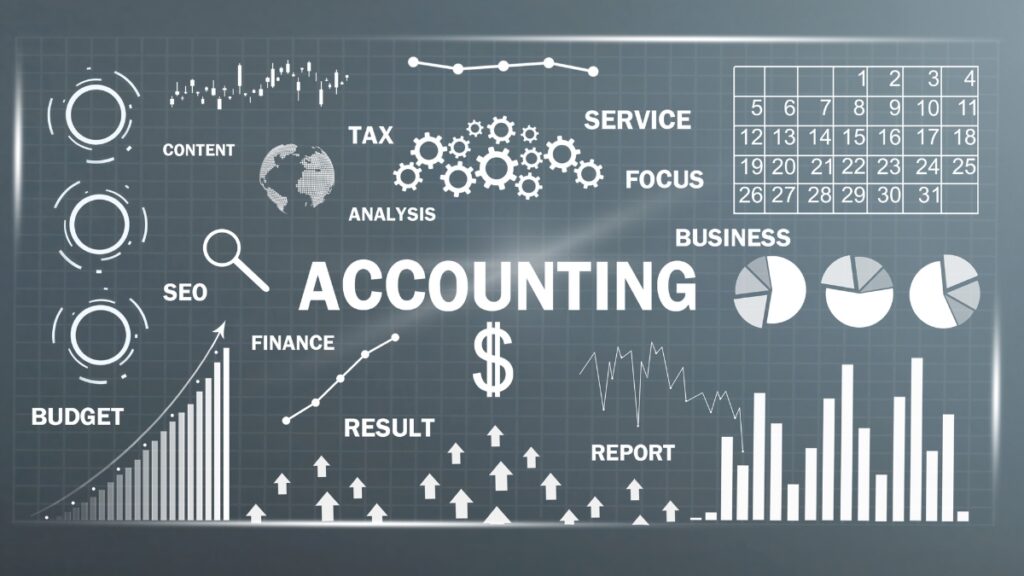
Visual dashboard with the word accounting and related terms like tax, finance, and reporting

What Does an Accountant Do?

An accountant takes a broader approach to financial management and uses the data prepared by bookkeepers to provide deeper insights. Their responsibilities include:

  • Financial Analysis and Strategy – Reviewing financial records to help business owners make informed decisions.
  • Tax Preparation and Planning – Ensuring compliance with tax laws, preparing tax returns, and advising on deductions and credits.
  • Financial Forecasting – Helping businesses plan for growth by analyzing past financial trends and predicting future performance.
  • Compliance and Audit Support – Making sure businesses follow financial regulations and assisting with audits if needed.
  • Advising on Business Structure – Helping businesses choose the right legal and financial structure to optimize tax benefits and liability.

Bookkeeper vs Accountant: Which One Does Your Business Need?

The right choice depends on your business’s size, complexity, and financial needs:

  • If you need help organizing daily financial transactions, tracking expenses, and handling payroll, a bookkeeper is a great option.
  • If you need tax guidance, financial analysis, or strategic planning, an accountant is the better choice.
  • Many businesses benefit from both, as bookkeepers maintain accurate records while accountants interpret the data for better decision-making.

How Numble Can Help

At Numble, we provide both bookkeeping and accounting services tailored to small businesses. Whether you need help managing everyday transactions or long-term financial planning, we’re here to support you. Plus, Numble was voted the 2024 Readers’ Choice for Accountants in St. Albert, making us a trusted option for your financial needs.

Not sure which service is right for you? Contact Numble today to discuss your business’s financial needs!

a small business owner planning their rrsp contributions

RRSPs and Your Bottom Line: The March 2 Aftermath

The March 2 deadline has passed, but your financial strategy is just getting started. Whether you maxed out your contributions or decided to wait for next year, it’s important to understand how those numbers impact your 2025 tax return. Our accountants break down the relationship between personal savings and business health, offering a “no-judgment” look at how to optimize your savings room for the year ahead.


Read More »
find the best fintech tools for your small business

Finding Your Perfect Fintech Match: A Calm Guide to 2026 Business Tools

Is your current accounting software working for you—or are you working for it? In 2026, technology should bring clarity to your business, not more clutter. We support a wide range of fintech tools and are here to help you find the cloud-based solution that fits your unique daily rhythm. Discover how the right digital tools can automate the “paper shuffle” and give you back your most valuable asset: time.

Read More »
a small business owner starting a tax preparation checklist

The “Ready for Anything” Tax Prep Checklist: Your Calm Guide to the 2026 Season

Tax season in Canada doesn’t have to mean a season of stress. With the CRA officially opening filings this month, our professionals have put together a simple, step-by-step checklist to help you gather your slips and receipts with confidence. From organizing T4s to tracking business-use-of-home expenses, we’re here to show you that tax prep is entirely fixable and easier than you think.

Read More »
Scroll to Top